

Blog
Reusable Gas Lighters for Everyday Uses

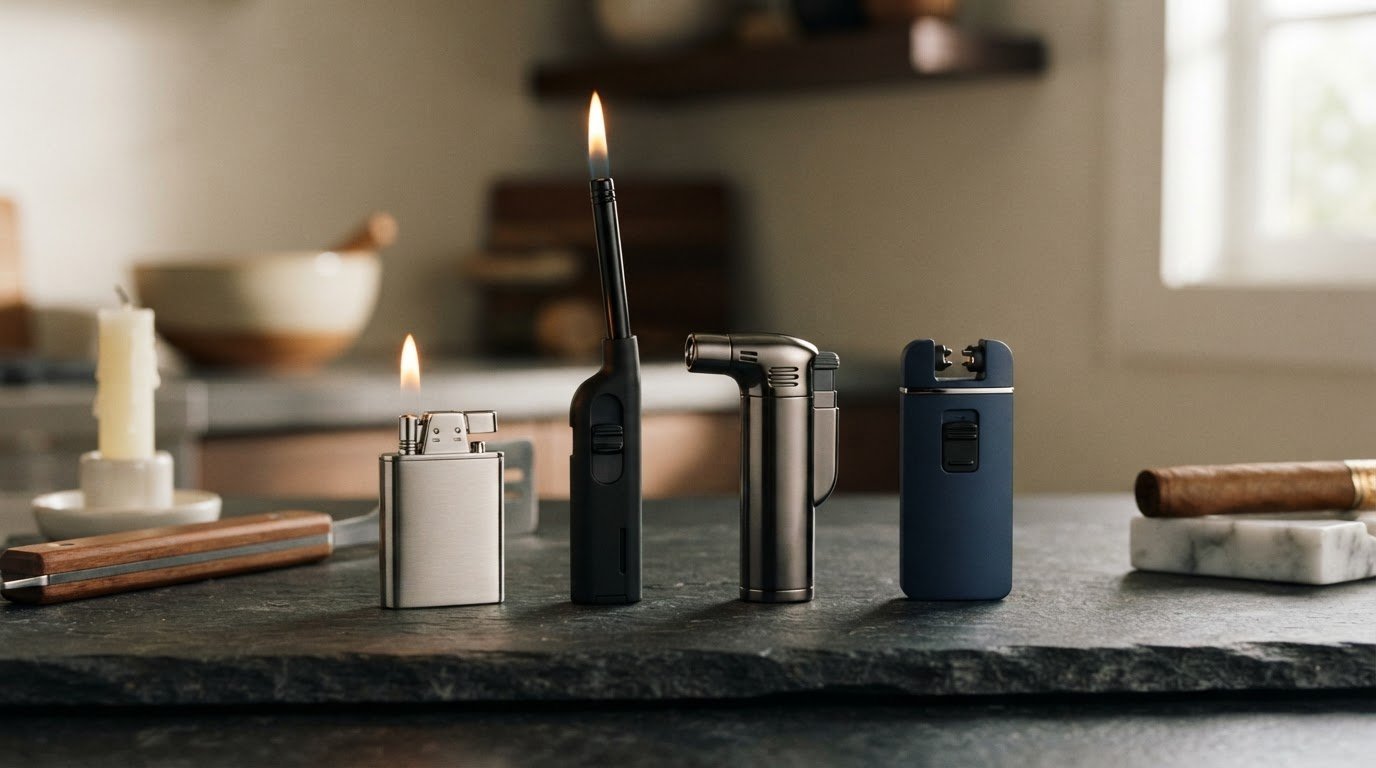
The familiar flame isn’t the only thing to consider when choosing a lighter. A reusable gas lighter is designed to be refilled and used again, while its flame style and format help determine which everyday tasks it suits. Collections of reusable gas lighters can include options for routine lighting as well as more targeted uses.
Appearance is only one consideration. A lighter for candles or cigarettes may need a different flame from one used for a grill or cigar. Refilling and care also affect how you keep it ready to use.
This guide explains what reusable gas lighters are and how soft-flame, torch, utility, and electric types differ. Learn how to match a lighter to common uses, understand basic refill and care considerations, and see how One Store Solution’s Reusable Gas Lighters Collection fits into your options.
Key Takeaways
- Match the flame style and lighter format to the task, rather than choosing by appearance alone.
- Compare lighter brands by the features and intended uses that matter for your routine.
- Learn the basic care steps that help keep a refillable lighter ready for regular use.
- Understand how fuel compatibility and lighter design shape the right refill approach.
Choosing a lighter for different uses
Start by matching the flame to the task. A soft-flame lighter suits routine lighting, including candles, where a familiar flame offers control. For a grill, a longer utility lighter can help reach the burner while keeping your hand away from it. For cigars, a torch lighter provides a strong, wind-resistant flame that can be useful outdoors. The right choice depends on where the flame needs to reach and how much control the task requires.
Consider the setting, too. Lighting a candle at home takes less reach than lighting a fireplace. A utility lighter can help with fireplaces, grills, and other hard-to-reach spots, while a compact soft-flame model is practical for everyday carry and simple indoor tasks. If you regularly use a lighter outdoors in wind, a torch may suit you better than a standard flame. Choose for the task, not just the appearance.
Safety belongs in the decision. According to the U.S. Consumer Product Safety Commission, covered lighters and multi-purpose lighters must have a child-resistant mechanism that prevents at least 85% of children from activating them. According to the U.S. Consumer Product Safety Commission, the standard aimed to reduce an annual toll of 150 deaths, 1,000 injuries, and more than 5,000 residential fires caused by children under five playing with lighters. Store lighters securely and away from children. Use a utility lighter’s extended reach for grills or fireplaces, but keep the flame directed away from people and nearby materials.
Are reusable gas lighters allowed on airplanes or in checked luggage? Rules depend on the airline, country, and lighter design. Treat carriage as restricted and follow the applicable aviation rules before packing.
- Candles: Choose a soft flame for controlled, familiar lighting.
- Cigars: Consider a torch flame when wind resistance matters.
- Grills: Use a utility lighter to reach the burner area.
- Fireplaces: Select a longer format for hard-to-reach spots.
Before choosing, picture the task and its surroundings. A wind-exposed patio, candle wick, and grill burner each call for different flame strength and reach. Match the lighter to those conditions, then store it securely after use. Comparing practical requirements helps narrow the options beyond brand or appearance.
Lighter brands
Brand names can help narrow a shortlist, but the model’s details matter more. Compare its intended use, flame type, refill design, and handling. A familiar brand doesn’t make every model suitable for every task. Start with the features you need, then compare models against them.
For example, the Clipper Classic Large Reusable Lighter is listed without a manufacturer warranty. This may matter when comparing purchase policies for business inventory. Read warranty information alongside the model description, and don’t assume other lighters from the same brand have identical terms.
The MK Lighter Grip-Pro Series Hue Set-10pcs is another named option. Its product name identifies a set, but the name alone doesn’t establish flame type, refill method, or intended use. Compare those specifics against the tasks your customers expect to handle. Avoid choosing by branding or appearance alone.
A practical brand comparison can follow a short checklist:
- Match the model to its use. Look for clear descriptions of flame style and intended tasks.
- Review refill compatibility. Confirm the model’s stated fuel and refill method.
- Compare support terms. Read warranty details for the exact model.
- Consider handling. Check the shape and controls against the way it will be used.
These steps can also help retailers compare product assortments. A range of lighter formats may serve varied customer needs, while repeated models may suit narrower demand. Focus on documented product attributes rather than assumptions about a brand. Model names, warranty terms, and refill instructions provide a more useful basis for selection.
For a category-level starting point, explore reusable lighter options and compare the available choices against your use case. A careful review helps you distinguish brand recognition from practical fit, then select models with clear, relevant details.
Lighter care and refilling
Regular cleaning and compatible fuel help keep a refillable lighter working. Follow the model’s instructions, because designs and refill methods differ.
Refills and Fuel
Most refillable gas lighters use butane, while some lighters take lighter fluid. Torch and soft-flame lighters use butane. Before refilling, identify the exact model and read its instructions. Choose fuel based on the lighter’s stated compatibility, not its shape or brand.
Refilling involves handling fuel, so work carefully in a well-ventilated area, away from flames and heat. Follow the manufacturer’s instructions for that specific lighter. Don’t force a refill connection or substitute another fuel. If the instructions are missing, identify the correct guidance using the model name before proceeding.
Safety Risks and Precautions
Gas and lighter fluid can ignite, and an active flame can cause burns or set nearby materials alight. Keep the lighter away from children, heat, and ignition sources during refilling. Don’t smoke or light another flame while handling fuel. Use the lighter only after following its refill instructions.
After refilling, close the fuel container and keep it away from the lighter. If fuel escapes or the lighter behaves unusually, stop using it. Keep the lighter away from fabrics, paper, and other flammable materials. Direct the flame toward the intended object, and extinguish it before putting the lighter away.
Care also means keeping the lighter clean and storing it responsibly. Wipe visible dirt from the exterior with a dry cloth, without opening or altering the mechanism. Avoid dropping the lighter, as this can affect its parts. Store it in a cool place, away from direct heat and children. Proper care and refilling can help quality lighters last for years.

Lighter types
Choose a lighter by its ignition method and flame. Butane models produce a traditional flame and need compatible fuel. Electric lighters use a rechargeable arc instead, so they need charging rather than fuel refills. This affects what you need to keep on hand. A butane lighter suits someone who prefers a visible flame; an electric model suits someone seeking a fuel-free option.
Wind can also influence your choice. Torch lighters produce a jet flame that is stronger and more wind-resistant than a standard flame, making them useful outdoors when a regular flame may be harder to maintain. Soft-flame butane lighters provide a traditional flame for ordinary tasks and are a practical fit for controlled, everyday lighting.
Utility lighters are designed for reach. Their extended shape can help access grills, fireplaces, and other confined areas. A compact lighter may be easier to carry but may not reach as far. Consider where the ignition point is before choosing. Lighting a fireplace, for example, calls for different handling than lighting a candle.
- Soft-flame butane: Traditional flame for routine lighting.
- Torch: Jet flame with greater wind resistance.
- Utility: Extended reach for grills and fireplaces.
- Electric: Rechargeable arc, with no fuel requirement.
Use a simple selection process. First, decide whether you need gas or electric ignition. Next, consider wind exposure and how far the flame must reach. Then compare fuel or charging needs with your routine. A torch may suit outdoor cigar lighting, while a utility model can reach a grill burner. An electric lighter uses a different ignition method, but it isn’t a gas lighter.
These distinctions help you compare models by function, not labels alone. Match the lighter’s mechanism to the task, then review its fuel or charging needs. For gas models, check compatibility before choosing refills. For electric models, consider whether charging fits your routine. This makes the trade-offs between flame style, reach, and power source clearer.
One Store Solution: OCB ACCESORIES
One Store Solution supplies reusable gas lighters and OCB ACCESORIES to commercial clients and retailers. Its Reusable Gas Lighters Collection is a wholesale source for businesses selecting lighter merchandise. Use the guidance above to compare flame styles, lighter formats, and refill needs before choosing products for your customers.
One Store Solution also supplies wholesale grocery, pet food, and animal feed to businesses with varied inventory needs. Organizing product requirements can make assortment planning more straightforward, especially when reviewing related categories alongside lighters.
For your next step, consider the everyday uses your customers expect and which lighter types fit those tasks. Visit onestoresolution.com to explore One Store Solution’s offerings.
Make your next assortment decision with purpose
Let customer needs guide your next step. For retailers, consider which lighter formats belong in an everyday assortment and how they complement products customers already seek. A clear category plan makes purchasing decisions more deliberate and keeps intended use at the center.
One Store Solution offers a Reusable Gas Lighters Collection alongside OCB ACCESORIES and Wholesale Grocery. These categories give commercial buyers a practical starting point for reviewing merchandise needs across their business. Focus your selection on the customers you serve and the product categories that fit your operation.
To discuss your business needs, contact One Store Solution. A thoughtful assortment starts with understanding what your customers use, and you can take that next step with confidence.
Frequently Asked Questions
What types of reusable gas lighters are available?
Reusable gas lighters come in soft-flame, torch, and utility formats. Each uses gas, but the flame delivery or lighter shape differs. Electric arc lighters are rechargeable alternatives, not gas lighters. For a business assortment, compare the tasks and handling needs customers may have. This separates products by function instead of treating every refillable lighter as interchangeable.
Which gas fuels are compatible with reusable gas lighters?
Torch and soft-flame lighters use butane, while some lighter designs use lighter fluid. Compatibility depends on the model. Read its instructions before choosing fuel, and don’t assume a generic “lighter fuel” label means it is suitable. Matching the stated fuel to the lighter helps avoid incompatible refills that may prevent it from working correctly.
How do you refill a reusable gas lighter safely?
Follow the model’s refill instructions and handle fuel away from flames, heat, and smoking. Work in a ventilated area, keep the lighter unlit, and use only compatible fuel. Refill as directed by the manufacturer rather than forcing a connection. Close the fuel container after use, then follow the lighter’s instructions before testing it. Stop if fuel escapes or operation seems abnormal.
How do you adjust and maintain a reusable gas lighter?
Adjustment methods vary, so follow the model’s instructions rather than assuming every lighter has the same control. If flame adjustment is available, make changes as directed and observe the flame in a clear, safe area. Keep the exterior clean and dry, and don’t open or alter the mechanism. If performance changes, review fuel compatibility and the manufacturer’s care guidance.
How do refillable butane lighters compare with traditional disposable lighters?
A refillable butane lighter can be refueled when empty, while a traditional disposable lighter is replaced when its fuel runs out. Refillable models need compatible fuel and careful attention to their instructions. Useful lifespan depends on the lighter and how it is cared for. Consider whether you prefer refilling or replacing a lighter, and factor in each model’s fuel type.
Where can you buy reusable gas lighters and replacement parts in the United States?
US retailers and commercial buyers can source wholesale lighters from One Store Solution’s Reusable Gas Lighters Collection. For replacement parts, identify the exact lighter model and match components to its product documentation. Parts are not automatically interchangeable across brands or designs. One Store Solution serves wholesale and business accounts, making its collection relevant to resale inventory rather than individual consumer purchases.

One thought on “Reusable Gas Lighters for Everyday Uses”